
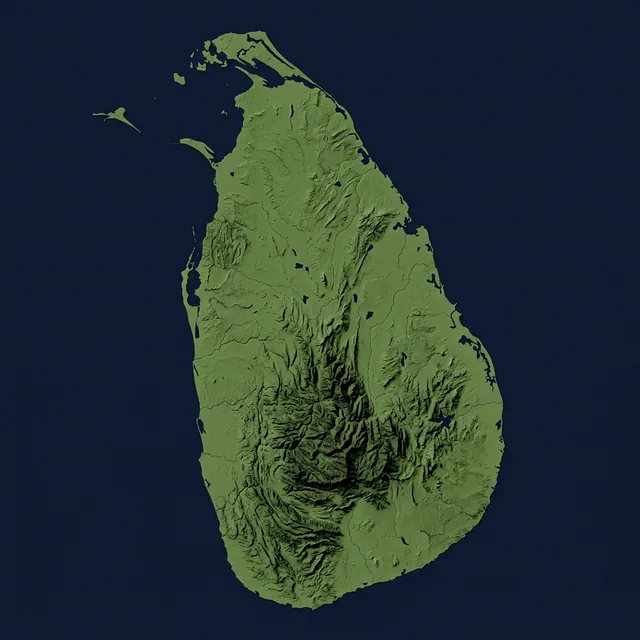
About Polonnaruwa
The well-preserved ruins of Sri Lanka's second-oldest kingdom offer remarkable insight into medieval urban planning. The ancient city features stunning stone sculptures, massive reservoirs, and elaborate temple complexes spread across a compact archaeological site.
History & context
Polonnaruwa became Sri Lanka's royal capital in 1070 CE after King Vijayabahu I expelled the Chola invaders from south India. Under King Parakramabahu I (1153-1186 CE), the city reached its golden age, he built the magnificent Parakrama Samudra (Sea of Parakrama), an enormous reservoir that still irrigates farmland today, along with most of the palace complexes, temples, and the famous rock-carved Buddhas at Gal Vihara. Inscribed as a UNESCO World Heritage Site in 1982. After being abandoned in the 13th century, the city was reclaimed by jungle for 700 years before being rediscovered.
Climate & best time
Hot, dry-zone climate with temperatures between 25°C and 34°C. The main rainy season is October-January from the northeast monsoon. Best explored in the cooler early-morning and late-afternoon hours; midday heat can be intense.
Comfortable cycling weather. Clear views of the ancient ruins.
Fewer tourists. The ancient lake and reservoirs are at full capacity.
Top experiences
Top Attractions2
Journeys that feature Polonnaruwa
Combine with
Good to know14
- Polonnaruwa is an ancient royal city known for well-preserved ruins, temples, and archaeological monuments
- Dress modestly when visiting temples and sacred sites, shoulders and knees should be covered
- Shoes and hats must be removed before entering religious areas, and stone surfaces can become very hot during midday
- Carry socks if visiting during sunny afternoons, as barefoot walking on heated stone paths can be uncomfortable
- The archaeological zone is spread across a large area, so expect plenty of walking throughout the day
- Early mornings and late afternoons are usually the best times to explore due to cooler temperatures and softer light
- Bring water, sunscreen, sunglasses, and a hat, especially during the dry season when temperatures can become very hot
- Photography should be respectful around Buddha statues and sacred areas, avoid posing with your back facing statues
- Monkeys are common around ruins and temple sites, so keep food and bags secure
- Wild elephants are occasionally seen near surrounding roads and forest areas, especially during quieter evening hours
- Sudden rain showers are possible even during hot weather, particularly outside the dry season
- The ancient stone carvings and ruins can be uneven in places, so comfortable walking shoes are highly recommended
- Local coconut vendors near archaeological areas are popular stops for cooling down during the heat
- Sunset hours around lakes and ruins create some of the most peaceful scenery in Polonnaruwa
Common questions5
Yes. Polonnaruwa is worth visiting for its ancient ruins, temples, royal palaces, and well-preserved history from Sri Lanka's ancient kingdoms.
Popular things to see include the Ancient City of Polonnaruwa, royal ruins, stone temples, Buddha statues, and museums showcasing Sri Lanka's history.
Most travelers spend around 2-4 hours exploring the main historical sites, depending on their interest in history and photography.
Polonnaruwa is famous as an ancient capital of Sri Lanka, known for its impressive architecture, archaeological sites, and UNESCO World Heritage status.
Polonnaruwa is more compact and easier to explore in a shorter time, while Anuradhapura is larger and focuses more on ancient religious sites.