
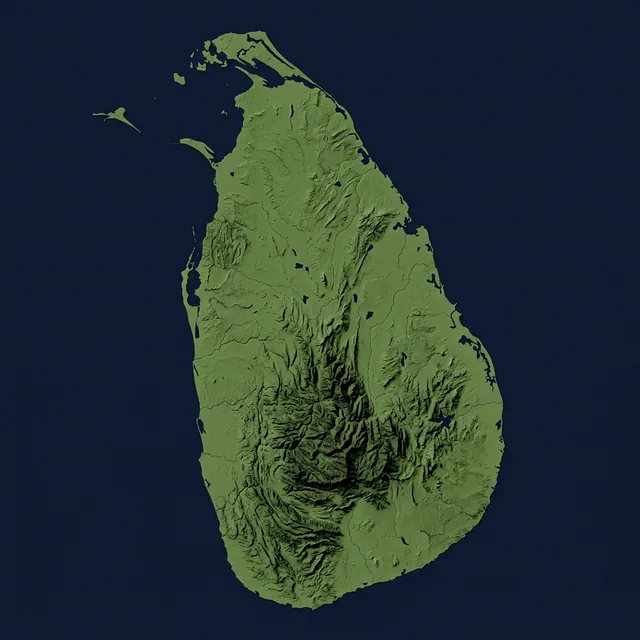
About Galle
A UNESCO World Heritage Site, Galle Fort is a beautifully preserved 16th-century fortified city on the southwestern coast. Its cobblestone streets are lined with colonial architecture, boutique shops, art galleries, and charming cafés.
History & context
Originally built by the Portuguese in 1588, the fort was captured and extensively rebuilt by the Dutch from 1640 onwards, who added the iconic ramparts, bastions, and the canal-fed sea defences that still stand today. It later passed to the British in 1796. Inscribed as a UNESCO World Heritage Site in 1988 as 'the best example of a fortified city built by Europeans in South and South-East Asia'.
Climate & best time
Tropical coastal climate with temperatures between 26°C and 31°C. The southwest monsoon brings rain from May to September.
Perfect beach weather and ideal for exploring the fort. Stunning sunsets over the Indian Ocean.
The fort takes on a dramatic atmosphere. Great for photography and indoor cultural experiences.
Top experiences
Top Attractions6
Journeys that feature Galle
Day experiences from Galle
Worth the detour1
Hidden spots a short drive away, easy to add as a side trip from here.
 20 km away
Combine with
Good to know14
- Galle Fort is best explored on foot, so wear comfortable shoes for walking on cobblestone streets and uneven paths
- The southern coastal heat can feel intense during midday, carrying water, sunglasses, and sunscreen is highly recommended
- Sunset along the Galle Fort ramparts is one of the most popular experiences in the city and can become busy in the evening
- Dress modestly when visiting churches, temples, or religious sites inside the fort area
- Small cafés, boutique shops, and galleries are spread throughout the fort, making slow walks part of the experience
- Sudden rain showers are common near the coast, especially during monsoon seasons, so carrying a light umbrella can help
- The fort walls near the ocean can become slippery after rain or strong sea spray
- Sri Lankan seafood, iced coffee, fresh juices, and local desserts are popular among travelers visiting Galle
- Early mornings are ideal for quieter walks around the fort before the streets become busier
- Some beaches near Galle have strong waves and rocky areas, so check local swimming conditions before entering the water
- Monkeys and crows may try to grab visible food from outdoor café tables or bags
- Many travelers enjoy exploring hidden alleys, colonial architecture, bookstores, and rooftop cafés around the fort rather than rushing through the main streets
- The Dutch colonial architecture and lighthouse area are among the most photographed spots in Galle
- Humidity can remain high even in the evening, especially after rainy days
Common questions5
Yes. Galle is a must-visit coastal city known for the historic Galle Fort, colonial architecture, beautiful beaches, boutique shops, and relaxed seaside atmosphere.
Popular things to do in Galle include exploring Galle Fort, visiting Unawatuna Beach, relaxing at Jungle Beach, discovering local cafes, and exploring Koggala Lagoon.
Galle Fort is famous for its colonial history, old streets, ocean views, museums, restaurants, and unique mix of Sri Lankan and European architecture.
Yes. Unawatuna is one of the most popular beaches near Galle, known for swimming, relaxing, restaurants, and a lively coastal atmosphere.
Galle can be explored as a day trip, but staying overnight allows more time to enjoy the fort, beaches, sunsets, and the evening atmosphere.