
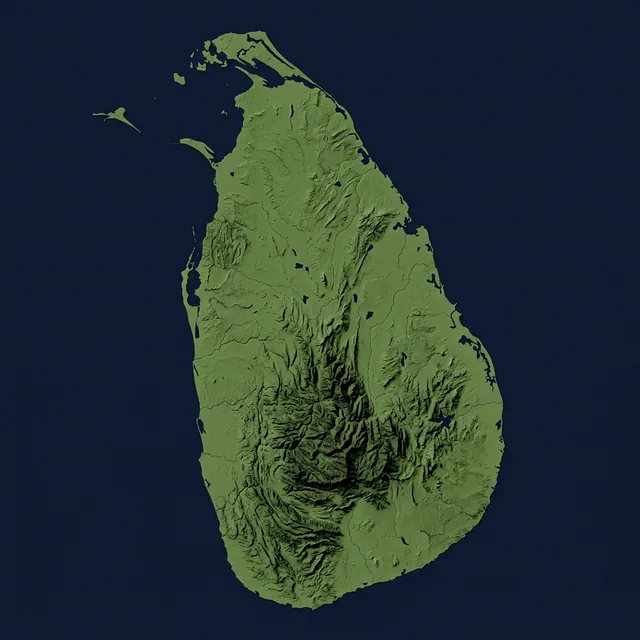
About Yala
Sri Lanka's most famous national park, Yala is renowned for having the highest density of leopards in the world. It is a vast coastal sanctuary home to elephants, crocodiles, and hundreds of bird species.
History & context
Yala was first gazetted as a wildlife reserve in 1900 and upgraded to national park status in 1938, making it one of Sri Lanka's oldest protected areas. Today it covers about 979 square kilometres divided into five blocks; only Block 1 is open to most safari traffic. Yala has gained worldwide attention for hosting one of the highest densities of leopards on Earth, with a strong concentration in the southwestern Block 1. Block 1 is closed annually from 1 September to roughly 15 October to allow the park ecosystem to recover during the driest part of the year. Yala was also struck by the 2004 tsunami, which killed many visitors at Patanangala Beach inside the park.
Climate & best time
Hot, dry-zone climate with temperatures from 26-35°C. The northeast monsoon brings the main rains October to January; the park is at its driest in August-September, which is also when Block 1 is closed for annual rest.
Animals concentrate around the remaining water holes, best chance of leopard sightings. Note Block 1 closes 1 Sep to ~15 Oct.
Lush greenery and fewer crowds; sightings are less reliable as animals spread out across the park.
Top experiences
Top Attractions3
Day experiences from Yala
Combine with
Good to know14
- Yala National Park is famous for leopards, elephants, sloth bears, crocodiles, and a wide variety of birdlife
- Early morning and late afternoon safaris usually offer the best wildlife activity and cooler temperatures
- Wildlife sightings are never guaranteed, patience and quiet observation are part of the safari experience
- Wear light, neutral-colored clothing such as green, brown, or beige to blend better with the natural surroundings
- Safari jeeps are mostly open vehicles, so sunscreen, sunglasses, and a hat are highly recommended
- Roads inside the park can become rough, dusty, and bumpy, especially during dry weather
- Carry a light jacket for early morning safaris before sunrise
- Standing up, making loud noises, or trying to attract animals for photos is usually not allowed inside the park
- Do not feed wildlife or throw food waste inside the national park
- Mobile signal can be weak or unavailable in some safari areas
- Dust can become heavy during long dry-season drives, so some travelers prefer carrying a scarf or mask
- Crocodiles are commonly seen near lakes and water areas, avoid getting too close at stops outside the park
- Birdwatchers often enjoy Yala for its large variety of eagles, peacocks, kingfishers, and water birds
- Sudden rain can make safari tracks muddy and slippery during wetter months
Common questions5
Yes. Yala is one of Sri Lanka's most famous national parks, known for wildlife safaris, diverse landscapes, and having one of the best chances to see wild leopards.
Visitors may see leopards, elephants, crocodiles, buffalo, deer, monkeys, many bird species, and other wildlife during a Yala safari.
Early morning and late afternoon are the best times for a Yala safari, when animals are usually more active and temperatures are cooler.
No. Yala has a strong reputation for leopard sightings, but they are wild animals and sightings cannot be guaranteed.
A half-day safari is enough for many visitors, while a full-day safari gives more time inside the park and increases opportunities for wildlife experiences.